
The advertising industry has made improvements in its effort to be more diverse and inclusive, but there is still work to be done on the individual and company levels.
In the November issue of AdAge, Shawn Amos — the chief storytelling officer at Hudson Cutler — wrote an article discussing the aftermath of Stan Richards’ insensitive comments and what companies need to be thinking about when it comes to diversity.
Stan Richards resigned after he referred to an advertising concept for Motel 6 as being “too Black.” Some companies decided to drop The Richards Group in response including Motel 6, Home Depot and Keurig.
Amos comments that the action taken by these companies or posting obligatory statements on social issues do little to address the larger issue, and where they allocate funds will show the public where they stand.
The writer adds that understanding diversity is better for business and campaigns developed by diverse teams can be effective in reaching target audiences.
Corporate Social responsibility
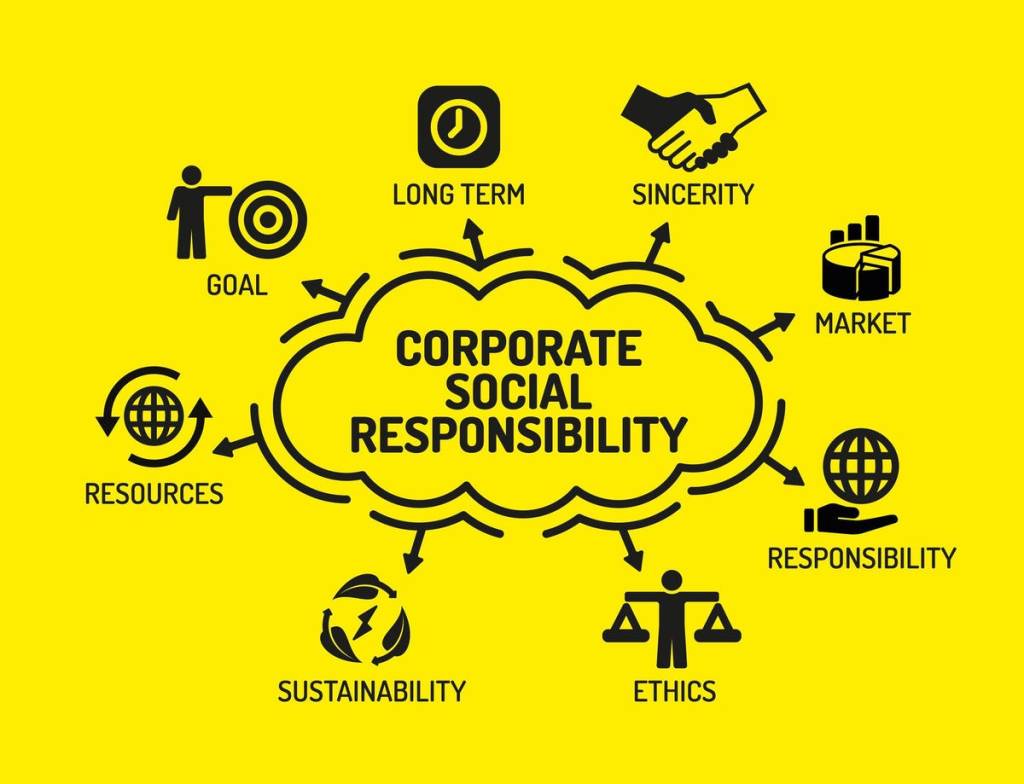
In class, we discussed the importance of corporate social responsibility. Carroll (1999) states that there are four types of social responsibilities that define CSR: economic, legal, ethical and discretionary.
Economic: To stay in business, a company needs to make a profit. This will also allow the company to evolve and invest back into the community.
Legal: It is essential for organizations and their leaders to follow legal expectations to avoid lawsuits.
Ethical: A company also needs to go beyond economic and legal expectations by making ethical choices when it comes to processes and its overall mission.
Discretionary: Philanthropy is also a major part of CSR because it shows the public what causes are important to the organization. This can be demonstrated through actions like volunteering and donations.
How they connect
Economically speaking, effective advertisements will result in a profit for the company and keep them relevant. In turn, these businesses will then be able to participate in more discretionary efforts by donating to organizations making positive change.
There are also legal and ethical expectations that should keep organizations from discriminating against potential and current employees or making poor marketing decisions.
Amos would likely agree with Carroll as they both mention how companies need to go beyond a mere statement and what may be expected. Participating in CSR further engages the audience with the company, making it more visible while benefitting the business financially and socially.
Work Cited
Carroll, A. B. (1999). Corporate Social Responsibility. Business & Society, 38(3), 268–295. https://doi.org/10.1177/000765039903800303
 Anecdotes by Angeline